
 RSS Feed
- 2026 | 37 Posts
- 2025 | 48 Posts
- 2024 | 48 Posts
- 2023 | 48 Posts
- 2022 | 46 Posts
- 2021 | 46 Posts
- 2020 | 46 Posts
- 2019 | 31 Posts
- 2018 | 1 Posts
- 2017 | 9 Posts
10
How to Plant a Pollinator Garden This Summer
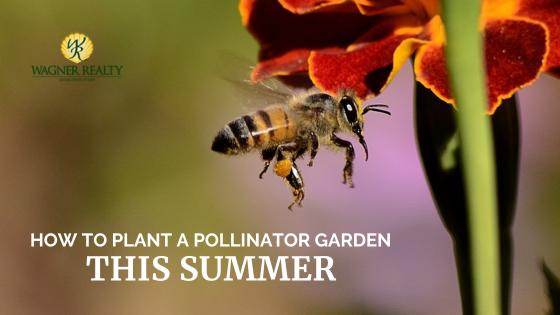
While looking at Sarasota homes for sale and Bradenton homes for sale, the thought strikes you: the one thing that could make these houses more beautiful would be a garden. And not just any garden. A garden filled with things like butterflies and hummingbirds. A place where bees can thrive, too. What you want is a pollinator garden - one whose plants attract pollinating insects and other creatures. Pollinator gardens are beautiful, they're great for the environment, and they're easy to plant if you know what you're doing. Here are a few tips to get you started.
- Finding Plants
If you want to attract local pollinators, you need to give them the plants they like and are used to. That means native plants that will support them and allow them to thrive. Some examples include Rose Mallow and Carolina Jessamine, both of which are not only native to the Sarasota area but beautiful and great for pollinating. To find others, do some research and ask at your local nursery. They'll know which plants will do best in the Florida climate and help you determine what will thrive in the soil around your home. - Location
Where in your yard should the garden go? While some pollinator plants do OK in the shade, most of them prefer direct sunlight, so plant them somewhere they'll get plenty of it. The seed packets can tell you exactly how much light each plant needs. - Soil
Once you have your garden's location, test the soil for nitrogen, potassium, and other nutrients. Does it have enough for the plants you're planning on growing? One of the benefits of growing native plants is that they should be naturally suited to the soil you have. However, if your soil is missing something, you can get a fertilizer that will supplement those nutrients. Adding compost to your soil helps too. - Size
How big should your garden be? Three feet by three feet is big enough to accommodate a wide variety of plants while still small enough to access all those plants and give them the care they need. If you make the garden much bigger, add pathways, so you can walk through it without disturbing or pressing down the soil. A strip of gravel wide enough to walk on will work as long as you delineate the edges so they're clearly separate from the garden itself. - Layout
It's important to group similarly colored plants together. Have all of your purple plants in one spot, your yellow ones in another, etc. Most pollinators are attracted by large blocks of color. If you mix all of your plants together, the colors won't be as pronounced, and it won't be as effective. Also, line the garden's outer edges with some sort of border, whether it's wood or brick, or a hedge or shrub, to keep the soil contained and prevent the grass from your yard from getting in. - Maintenance
A sprinkler or other irrigation system can provide your garden with the water it needs, but if you can't get one, set yourself a regular reminder to water manually, as needed. Don't rake the leaves in fall or winter, though, as they provide pollinators with shelter when your plants aren't flowering. And don't use pesticides or weed killers, as they can be harmful to pollinators. Talk to your nursery about alternative methods to keep weeds and pests under control.
If you're looking for a place where you can grow your ideal garden surrounded by pollinators, our real estate agents can help you. Contact us to get started on the process of finding your dream house.

Privacy Policy / DMCA Notice / ADA Accessibility


