
 RSS Feed
- 2026 | 37 Posts
- 2025 | 48 Posts
- 2024 | 48 Posts
- 2023 | 48 Posts
- 2022 | 46 Posts
- 2021 | 46 Posts
- 2020 | 46 Posts
- 2019 | 31 Posts
- 2018 | 1 Posts
- 2017 | 9 Posts
13
Florida Gardening: What To Plant
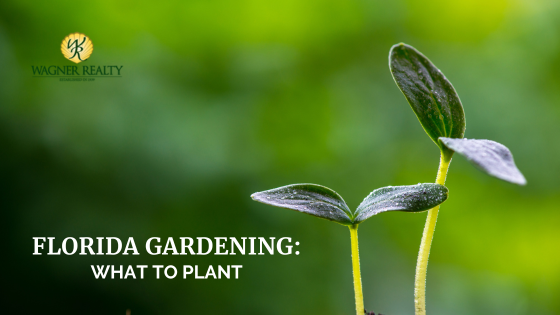
Florida's soil, weather, and other natural attributes are conducive to cultivating your own garden. As our real estate agents will tell you, colorful assortments of plants and vegetables add visual appeal to Bradenton homes for sale and Sarasota homes for sale. Whether you're a veteran gardener or just getting started with this popular hobby, these helpful tips will turn your thumb green in no time.
Gardening Guide for Central Florida
The USDA has created a scale of Plant Hardiness Zones to help determine the optimum times for planting different items. In general, Central Florida falls in Zone 9. Choose from these plants, flowers, and vegetables that are recommended for this zone:
- What could be more appropriate than an iconic Southern magnolia tree with its beautiful cream-colored flowers? Make sure your yard has plenty of space to accommodate this tree's large size and dense foliage.
- Salvia's soft pink, purple, and blue hues attract hummingbirds, bees, and butterflies, which are all welcome guests in a garden. Happily, one visitor they won't attract is rabbits.
- Hibiscus is another plant that needs room to grow, but the colorful blooms are well worth it. This flower is also relatively low-maintenance and makes a big impact.
- Sedem is a versatile species that can serve as a ground cover or flowering plant. Also known as stonecrop, sedum is a succulent that has a high tolerance for drought conditions.
- Crepe myrtle trees are a common sight in Southern gardens. Red is the natural color of its flowers, but shades of white, lavender, pink, and mauve have been developed. While trimming the seed pods will promote flower growth, take care not to over-prune, an undesirable situation referred to as "crepe murder."
- The graceful and delicate blooms of flowering dogwood don't need full sunlight, so plant them in a partially shaded area.
- Grass, ferns, and other native landscape plants preserve biodiversity, control erosion, and conserve water. Many varieties found in Central Florida are attractive and have fun-sounding names to boot. These types include pink muhly, Fakahatchee grass, seagrapes, and Walter's viburnum.
- The heat and humidity of Central Florida can be stressful on fruits and vegetables. Okra, sweet potatoes, peppers, and Southern peas tend to thrive under these conditions, so they're prime candidates for produce gardens.
General Gardening Tips
- One of the advantages of Zone 9 is that thanks to mild winters, the growing season lasts all year. As a rule of thumb, look for resilient plants that can survive periods of little to no rainfall. Be sure to supplement moisture needs with manual watering as needed.
- When the weather heats up, insects aren't far behind. Just remember that some insects are actually beneficial to plants and flowers, so there's no need for a heavy-handed treatment. It's more effective to monitor your garden for problems and apply specific treatment as indicated.
- Insects aren't the only threats to gardens. Non-native invasive plants compete with "good" plants for resources, degrade wildlife habitats, reduce water quality, and increase erosion. Consult the University of Florida's database of non-native plants if you have any questions.
- Sand, limestone, and salt often seep into the soil due to Florida's extensive coastline. Experts suggest that garden planning should begin with a soil test. Kits can be obtained from the county Extension office.
The Florida lifestyle has amenities and benefits for everyone. Contact us at Wagner Realty to learn more.

Privacy Policy / DMCA Notice / ADA Accessibility


